

 SA
SA
 KW
KW
 IE
IE AU
AU UAE
UAE UK
UK USA
USA
 CA
CA DE
DE
 QA
QA ZA
ZA
 BH
BH NL
NL
 MU
MU FR
FR







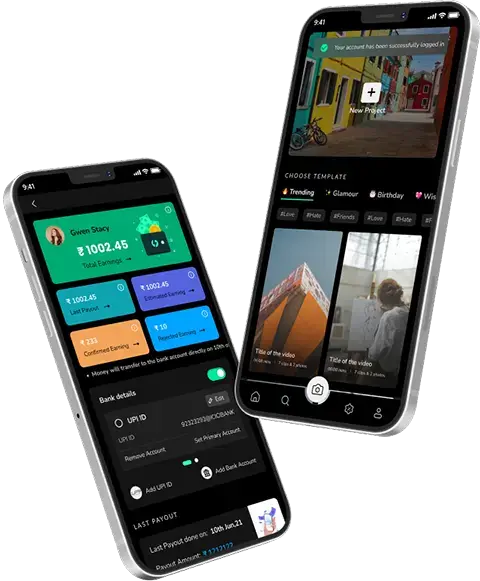



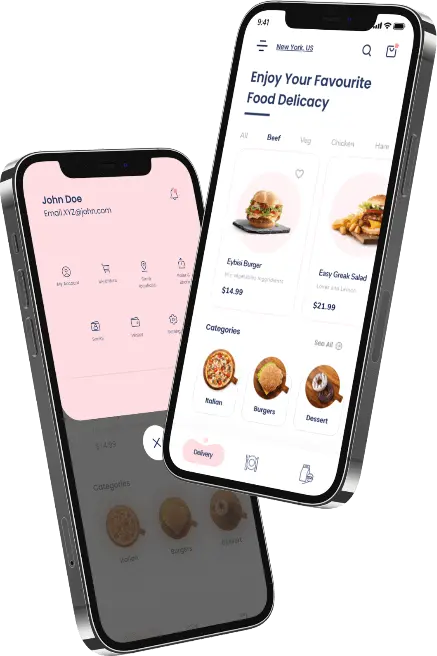

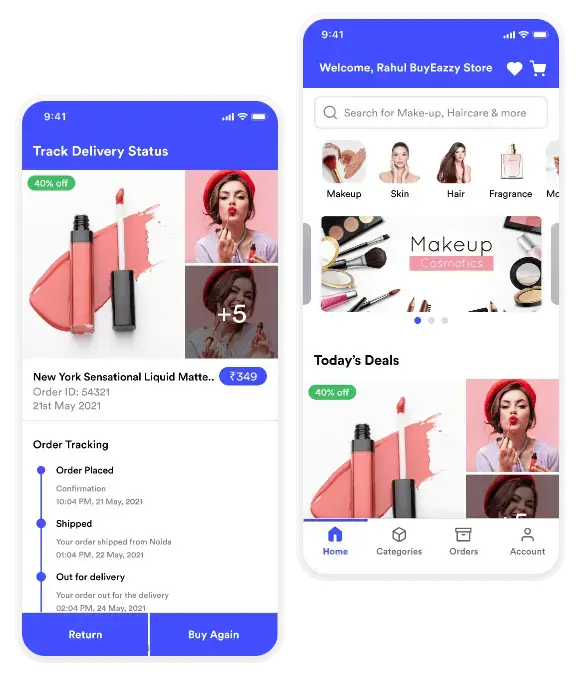

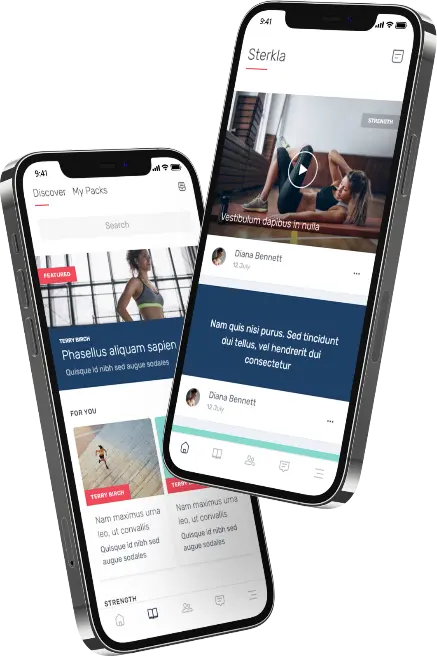

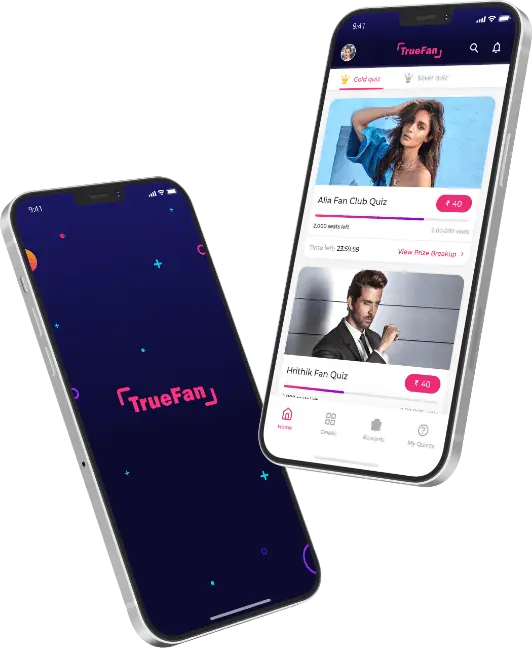


In the current technology spectrum, progressive web apps (PWAs) are gaining momentum and helping businesses to expand. With the help of these apps, brands and disrupting startups are getting the fast, responsive, app-like experience they want.
In fact, some of the biggest enterprises like Twitter, Alibaba, and Walmart have integrated PWAs years ago in their business model to streamline their revenue stream. Now, in 2026, the technology has matured, attracting not just large enterprises but also small and medium businesses that want scalability and cost-efficiency, and offer a unique user experience.
In this post, we’re going to cover some facts that suggest why PWA development in 2026 is such a big deal. So just stay tuned and check what they have got to offer….
Stats Depicting PWA’s Popularity
- 80% faster load times compared to traditional mobile sites
- 25x smaller device storage than native apps
- 50% higher conversion rate on average
- 2.5x more user engagement with push notifications
- 80% lower bounce rate
- 60% boost in mobile traffic
These figures show that PWA growth in 2026 is stronger than ever.
What is a PWA?
Simply put, PWA or Progressive Web App is a piece of technology, enabling businesses to build web applications that have the look and feel of native mobile apps. These apps are developed using web technologies like JavaScript, HTML, CSS. And further, developers utilize static site generators like Gatsby or VuePress to launch PWAs.
These apps run in the browser but give users the experience of a native app. And they can be:
- Accessed through the mobile home screen
- Give offline app access
- Have a native feature; push notifications
- Deliver app-like performance without heavy storage requirements.
- And much more…
The Rise of Progressive Web Apps: Why PWAs are the future?
As we all know, 2026 is all about speed, convenience, and affordability. Businesses want apps that don’t just engage users but also cut costs. That’s why PWA development is booming. With PWAs, there are not just one but multiple reasons to grab the attention of the users.
- Affordability: No need to build separate iOS and Android apps.
- Wider reach: Works across all platforms with a single codebase.
- Scalability: Perfect for startups and enterprises alike.
- User-first approach: Faster loading, smoother experience.
Industries like retail, healthcare, fintech, and travel are already seeing massive ROI from adopting PWAs.
Curious to explore???
Just keep scrolling this post to understand the reasons that would make progressive web app development a futuristic move of 2026.
1.Turns easy on the pocket
The year 2026 is going to be all about growth and expansion. And to make this happen, businesses would love to soak their hands and feet in an affordable solution. Surprisingly, PWAs fit the bill here and do not require different versions for various devices. This eventually cuts down the cost of developing a web app.
For example, Starbucks’ PWA cut its app size from 148 MB to just 600 KB, saving both development and storage costs while reaching users in emerging markets with slower internet connections.
2. Works offline
Mobile users prefer apps due to multiple reasons, and if your app can work offline then nothing excites them further. It holds a built-in service cache that triggers the progressive web apps’ features and information automatically while removing the clutter to download it. As a consequence, users can access it without an internet connection.
In fact, Flipkart Lite, a PWA built by India’s largest e-commerce company, increased re-engagement by 40% because customers could still browse during poor network conditions.
3. Looks and works like an app
A Progressive web application offers an incredible user experience by sharing a perfect medley of the app’s look and feel. And has the same speed, responsiveness, and comprehensive capabilities as websites with database access and automatic data.
Twitter Lite, for example, loads 30% faster than the native app while consuming less than 3% of the device storage.
4. Instant installation
The downloading and installing process of an app can get on your nerves if the app size is big or if a network issue has cropped up. However, unlike regular mobile apps, PWAs don’t face the brunt of this tedious process. In 2026, PWAs can be installed instantly from the browser with just one tap. Users get a home screen icon, just like a native app, but without the clutter of app stores.
This has boosted adoption rates for AliExpress’ PWA, which saw 104% more users across all browsers once they removed the App Store friction.
5. Incredible performance
With progressive web application development, you get to handle cache, text, images, and other content in a specific and well-planned manner. This allows users to access the apps with a higher speed and improves the user experience to another level.
Google studies show that PWAs load up to 15x faster than regular mobile websites. That’s a massive win for user retention since a 1-second delay can reduce conversions by 7%.
6. Automated updates
App updates are another hurdle that calls for extra expenses and time as well. But not anymore. Unlike traditional apps, which need user permission or App Store updates, PWAs update automatically in the background.
7. No platform limits
Yes, you heard it all right and correct. PWAs are not limited to any specific sort of platform or device. These apps can be accessed across all platforms – iOS, Android, Windows, or even a smart TV browser, with the URL only. As a user, you only need to search these apps via search engines with the keywords and TA-DA! The app can be accessed.
8. Push messages
This is another beautiful feature of PWA development, as it has device-specific functionality, that is none other than push notifications. They let the businesses to promote their services and give relevant updates to the users, to keep them engaged. No prize for guessing, but these notifications help in gaining users’ interest and encourage them to use the app once again.
For instance, Trivago’s PWA saw a 97% increase in click-through rates due to personalized push messages.
9. Improved security
While creating a digital solution, safety and security are the two primary factors to be considered. Here, progressive web apps rely heavily on HTTPS to give that extra security shield to minimize the risk of security issues. It further helps businesses to prevent any sort of data tampering from happening on the app.
Role of AI in Powering Web Apps like PWAs in 2026
Did You Know?
- By 2026, over 85% of businesses adopting PWAs are integrating AI for personalization and automation.
- Retail PWAs with AI-powered recommendations have seen up to 120% higher conversions compared to standard web apps.
- Media companies using AI in progressive web app development report a 3x boost in user engagement, thanks to curated content feeds.
- Businesses that combine AI with PWA development cut their customer support costs by nearly 30%, thanks to automated chatbots and virtual assistants.
AI has quietly turned from a “good-to-have” into a “must-have” in almost every technology, and progressive web app development is no exception.
In 2026, businesses are not just building PWAs for speed and offline access. They are making them smarter with AI-powered progressive web apps.
Personalization at Scale
Suppose a retail brand is using a web app like PWA. Earlier, the app would simply showcase products and enable checkout. Now, with AI integration in progressive web apps, the same PWA can recommend products based on a customer’s browsing pattern, predict inventory demand, and even offer personalized discounts in real time. This transforms a simple shopping journey into an intelligent buying experience.
Smarter Customer Support
Another practical use case is in the travel industry. PWAs built for airlines or hotel booking platforms can now integrate AI chatbots to answer FAQs, handle cancellations, or suggest travel upgrades, without users needing to download a heavy native app. Travelers save time, and companies save costs.
Content Curation That Engages
Even in news and content platforms, AI in PWA development is driving better engagement. Imagine a PWA that not only loads instantly but also curates articles, videos, or podcasts tailored to what you usually read or watch. Users stay hooked, while publishers get better retention and ad revenue.
“Progressive web apps are really taking off in 2026, and I believe it’s because we’ve figured out that AI makes them so much more than ‘progressive’, it makes them ‘predictive.’ By using AI, we’re helping businesses save money and make their customers happier. It also means they can finally compete with full-blown native apps, all while keeping that lightweight PWA design. For me, AI-powered PWAs are completely blurring the line between a website and a mobile app to offer smarter, faster, and more personalized experiences without ever forcing users to go to the app store.”
— Ankit Singh, COO, Techugo
Common Myths and Challenges in PWAs
Myth 1: PWAs Can Replace Native Apps Completely
While progressive web apps are powerful, they don’t yet offer 100% of the features native apps provide. For example, PWAs may not access advanced hardware functions like Bluetooth, fingerprint sensors, or background GPS tracking on all devices.
In 2026, AI-powered progressive web apps are helping close this gap by offering smarter offline experiences and personalized push notifications, but native apps still lead in highly specialized use cases like AR-heavy gaming or advanced fintech solutions.
Myth 2: PWAs Are Just Mobile Websites
This is one of the biggest misconceptions. A PWA isn’t just a website with a shortcut. It’s a web application that feels and performs like a mobile app. With capabilities like offline use, instant install, and AI integration in progressive web apps (personalized recommendations, smarter caching), PWAs are far more advanced than a static site.
Myth 3: PWAs Are Not Secure
Some businesses hesitate, assuming web apps are less secure than native apps. In reality, PWAs are built over HTTPS, which ensures encrypted communication and strong protection against attacks. Companies like Twitter, Uber, and Starbucks rely on PWAs to handle sensitive user data daily, proving their security strength.
Challenge 1: Limited iOS Support
Apple has gradually improved PWA support, but iOS still lags behind Android. Features like push notifications, background sync, and offline storage are restricted on some iPhone versions.
This means businesses targeting iOS-heavy markets (like the U.S. or parts of the Middle East) may still need a hybrid strategy: a PWA for reach, plus a native app for advanced functionality.
Challenge 2: Browser Dependency
PWAs depend on browser compatibility. While Chrome, Edge, and Samsung Internet fully support PWAs, Safari can sometimes restrict features. This doesn’t stop adoption, but businesses must test across browsers to ensure a consistent user experience.
Challenge 3: Discoverability in App Stores
Since PWAs aren’t distributed via app stores, some businesses fear losing visibility. However, this is changing in 2026. Google Play and Microsoft Store now allow listing PWAs, and SEO-friendly design helps PWAs rank higher on search engines compared to native apps hidden behind app stores.
PWA Development vs. Native App Development in 2026
When it comes to building digital products in 2026, businesses often find themselves comparing progressive web development with native app development. Both options have their strengths, but the right choice depends on goals, budget, and audience.
Cost of Development
- PWAs: A single codebase works across devices, which reduces development costs by 30–50%. Businesses don’t need separate teams for iOS and Android.
- Native Apps: Separate builds for iOS and Android increase the cost of developing a web app (or mobile app) significantly, especially when updates are factored in.
Performance & Features
- PWAs: Offer fast loading, offline support, push notifications, and near-native experiences. With AI in PWA development, features like predictive caching and personalized recommendations are improving performance further.
- Native Apps: Still lead in advanced hardware integrations (like AR, GPS tracking, biometrics, or wearables). For complex use cases like high-end gaming or fintech, native remains superior.
User Experience
- PWAs: Look and feel like apps, but can be instantly installed without app stores. This lowers friction, especially in markets where users hesitate to download heavy apps.
- Native Apps: Provide a polished, platform-specific experience. However, app store approval delays and large storage sizes can be barriers.
Updates & Maintenance
- PWAs: Updates happen automatically in the background without requiring user action.
- Native Apps: Updates depend on user approval and app store reviews, which can delay rollout.
Discoverability
- PWAs: Easily searchable on Google and shareable via links. In 2026, SEO-friendly PWAs often reach wider audiences than apps hidden behind app stores.
- Native Apps: Rely on app store listings, which can be competitive and require marketing spend to stand out.
In 2026, PWA development is the smarter choice for businesses that want reach, cost-efficiency, and quick deployment, especially in e-commerce, media, or service industries.
On the other hand, native app development remains unbeatable for high-performance apps that demand deep hardware integration.
For many companies, the winning strategy is a hybrid approach – using PWAs for reach and engagement, while keeping native apps for core, advanced experiences.
How Much Does It Cost to Develop a PWA in 2026?
One of the first questions businesses ask when considering progressive web app development is: “What is the cost of developing a web app?” The answer is, the web app development cost can start from around $10,000 and can go above $100,000. In the Middle East, the web app development cost can start from around 36,700 AED, and can go above 367,000+ AED.
This is an estimate because the cost of developing a web app depends on feature complexity, design sophistication, required integrations, and the expertise of the development team.
Simple apps are cheaper, while advanced, AI-powered, or heavily integrated PWAs cost more but offer better scalability and long-term value. But, in 2026, PWAs are widely recognized as a cost-effective alternative to traditional native apps.
Average Cost Estimates in 2026
- The cost of developing a basic web app can range between $10,000 – $25,000 in US. For businesses in the Middle East, the cost of developing a web app can range between 36,700 – 91,800 AED.
- The cost of medium-complexity web application development can range between $25,000 – $50,000 in the US. For businesses in the Middle East, this cost can range between 91,800 – 183,600 AED.
- Advanced, AI-powered web app development cost can range between $50,000 – $100,000+ in US. While for businesses in the Middle East, the cost of developing an advanced, AI-powered web app can range between 183,600 – 367,000+ AED.
Compared to native apps, PWA development in 2026 reduces costs in multiple ways, as there is no need for App Store or Play Store approval cycles. Single codebase for all
devices and automated updates, and maintenance. Also, there is reduced storage and faster adoption for users. The biggest proofs are the PWAs of Starbucks and AliExpress.
FAQs
Q 1. Why is PWA development so popular in 2026?
PWA development is so popular in 2026 because it offers affordability, fast speed, and cross-platform access that businesses demand in a digital-first era. They work across devices, load instantly, and don’t eat up storage. Add to that offline access, push notifications, and AI-powered personalization, and it’s no surprise that progressive web app adoption in 2026 is soaring. Simply put, PWAs let companies offer a premium app-like experience without burning a hole in the budget.
Q 2. How does AI enhance progressive web apps?
AI in PWA development improves personalization, predictive insights, and user engagement. Imagine a retail PWA that predicts what you want to buy before you even search for it, or a media PWA that curates content based on your past clicks. AI can also handle real-time support via chatbots, optimize caching for faster loads, and analyze user behavior to boost engagement. So, AI-powered progressive web apps don’t just look like apps; they think like apps too, giving users a smarter, more personalized experience.
Q 3. Is PWA better than native apps in 2026?
Whether PWA is better than native apps in 2026 or not depends on what you’re looking for. PWAs are fantastic if you want cost-effective, scalable, and cross-platform solutions, which is perfect for e-commerce, media, or service industries. Native apps, however, still shine in hardware-heavy scenarios like AR, VR, or advanced gaming. In many cases, businesses are combining both – a PWA for reach and instant access, and a native app for power-packed features. That’s the sweet spot in the 2026 PWA development strategy.
Q 4. What is the cost of developing a web app like PWA in 2026?
PWAs are designed to save both money and time. On average, it’s 30–40% cheaper than building separate native apps. A basic PWA can cost around $10,000–$25,000 (≈36,700–91,800 AED), a medium-complexity PWA $25,000–$50,000 (≈91,800–183,600 AED), and an advanced or AI-powered PWA $50,000–$100,000+ (≈183,600–367,000+ AED). PWAs are cost-effective, scalable, and provide faster adoption compared to native apps.
Q 5. Which industries benefit most from PWAs?
Not every industry needs a PWA, but some see huge advantages. Retail, healthcare, fintech, media, and travel are leading adopters in 2026. Retail can increase conversions with instant, personalized shopping. Healthcare apps offer offline patient access and teleconsultations. Fintech companies use PWAs for lightweight, secure banking experiences. Media and travel industries leverage AI-powered PWAs for real-time updates, bookings, and personalized recommendations. Essentially, any business aiming for speed, cross-platform reach, and intelligent engagement can benefit from progressive web app development in 2026.
Final thoughts
PWAs have come a long way since their early adoption years. In 2026, they are smarter, faster, and more cost-effective than ever, especially with AI-powered integrations.
If you’re willing to stand out from the competition, then getting associated with the right web app development company, like Techugo, is the right choice.
We have helped global enterprises to find their deserving niche with a futuristic PWA solution. Give us a call and get the most out of your business capabilities.

Get in touch
We'd love to hear from you.