

 SA
SA
 KW
KW
 IE
IE AU
AU UAE
UAE UK
UK USA
USA
 CA
CA DE
DE
 QA
QA ZA
ZA
 BH
BH NL
NL
 MU
MU FR
FR













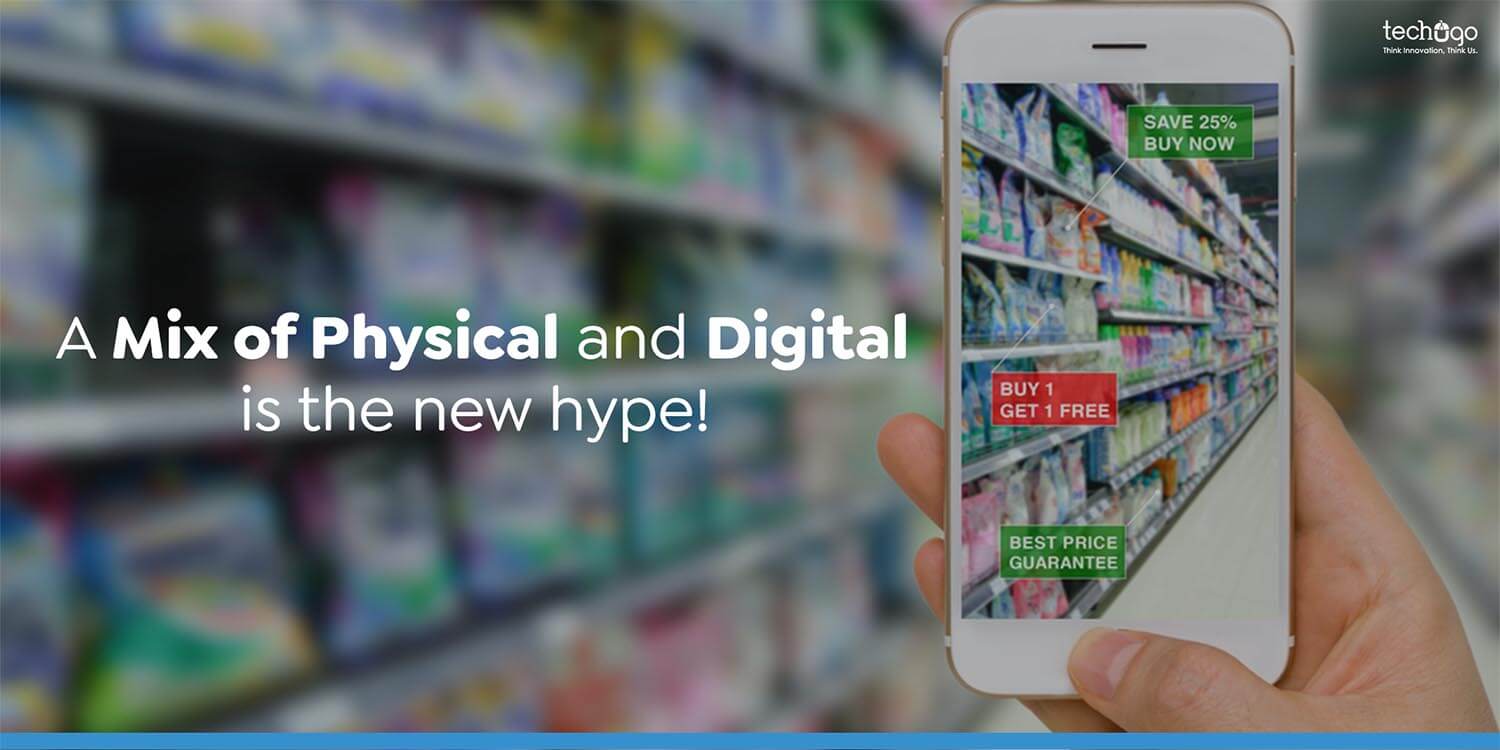


Who would disagree that consumer requirements are changing constantly and they have been changing faster than many businesses expected. Over the past few years, the way users interact with brands, explore products, consume information, and finally make purchasing decisions has been transforming…slowly at first, and then very quickly.
And yes, this change came because businesses moved online. They did so because the competition was rising and the digital space was where customers already were, therefore many brands started focusing on websites, mobile apps, and other digital channels so that they could stay relevant and accessible. And as a result, the physical movement of customers reduced in many situations but the activity did not stop; it simply moved to screens.
COVID-19 pandemic was also the reason for online shopping; people were ordering groceries, clothes, electronics, and even daily essentials online so that they could follow safety protocols. Online shopping at that time was a solution.
Now everything is normal. Customers are returning to their favorite stores, they are walking through aisles, they are touching products, and they are looking for that personalized in-store experience which online platforms sometimes cannot fully replace. But online shopping still continues.
So what exactly is happening here?
On one side, e-commerce continues to grow. It has been dominating the retail ecosystem in many ways. But on the other side, customers still value the physical store experience (the interaction, the immediacy, the human connection), therefore retailers are realizing that it is not about preferring one channel over the other.
Instead, it is about combining both.
This is where the concept of phygital retail comes in. This is basically a hybrid retail model where physical and digital experiences are mixed together so that customers can move smoothly between online and offline shopping journeys. You might have heard this term somewhere before… maybe in a report, a retail discussion, or a technology article.
And if you have not, that is completely fine because in this article, we will explore the basics of phygital retail, how it works, and why businesses are increasingly adopting it in 2026 to stay competitive.
What Is Phygital Retail?
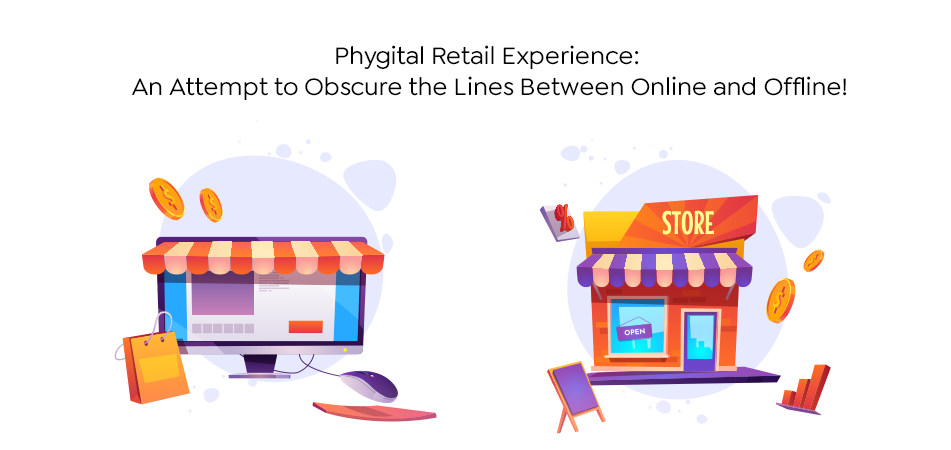
Phygital retail is the combination of physical and digital shopping experiences, where technology and in-store interactions work together so that customers get a seamless and more convenient buying journey. It is called “phygital” because it blends the physical store environment with digital tools, and therefore customers can move easily between online and offline channels.
Instead of forcing customers to choose between an e-commerce website or a brick-and-mortar store, phygital retail connects both. A customer may explore products online, check availability through a mobile app, and then visit the store to see the product in person or they might order online and pick it up from the store.
Example:
Imagine you are shopping for sneakers. You first browse the brand’s mobile app or website, check styles and reviews, and see which store nearby has your size available. Then you visit the store, try the sneakers, and make the payment using a self-checkout kiosk or mobile wallet.
This entire journey where digital discovery meets physical experience, is a simple example of how phygital retail works.
Why Phygital Retail Matters for Businesses in 2026
Customers now move freely between websites, mobile apps, social platforms, and physical stores, therefore businesses must create a connected shopping journey and that’s exactly why phygital retail has become so important for modern businesses.
-
One of the biggest reasons is the rise of omnichannel customer behavior.
Research shows that 73% of shoppers use multiple channels during their shopping journey, which means they might research a product online but purchase it in-store or vice versa. Because of this behavior, retailers who integrate digital and physical experiences are able to provide smoother, more convenient shopping journeys.
-
Another important factor is customer expectations.
Around 84% of consumers believe retailers should do more to connect their online and offline channels, showing that shoppers expect a seamless experience across platforms, therefore brands that successfully combine mobile apps, in-store technology, and digital services are more likely to attract and retain customers.
-
Phygital retail also directly impacts sales and customer engagement.
Studies indicate that 56% of in-store purchases are influenced by digital channels, such as online reviews, social media content, or product searches which means that the digital journey often begins long before the customer enters the store.
-
Another strong business advantage is customer retention.
Retailers that implement strong omnichannel engagement strategies can retain up to 89% of their customers, compared to only 33% for businesses with weak channel integration.
-
Finally, technology is making phygital retail even more powerful.
Innovations like AR-powered product visualization, smart mirrors, contactless checkout, and AI-driven recommendations are turning physical stores into interactive brand experiences rather than simple points of sale.
In simple terms, phygital retail matters in 2026 because customers expect flexibility, personalization, and convenience across every touchpoint. Businesses that successfully merge digital innovation with in-store experiences will be better positioned to increase engagement, improve loyalty, and drive higher revenue in the growing retail world.
What are the Benefits of Phygital Retail in 2026
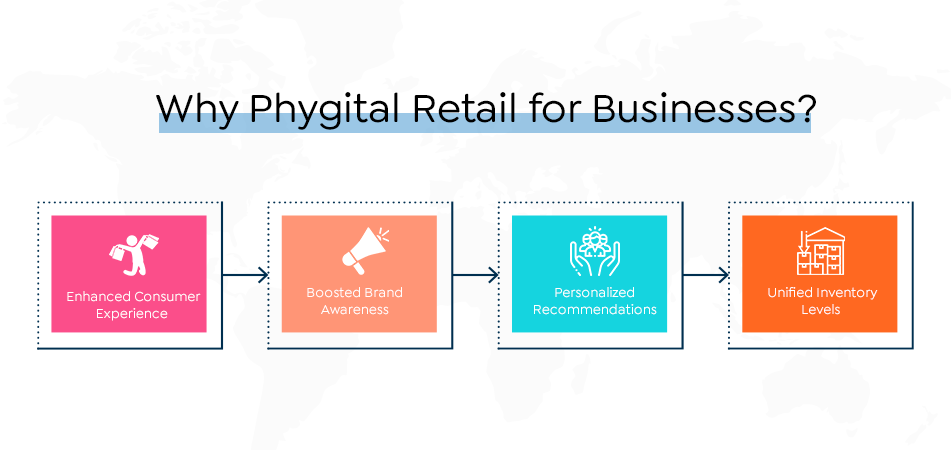
Building phygital models for businesses can help one skyrocket their business. To learn more, continue reading about some of its top-notch advantages:
1. Enhanced Consumer Experience
Offering both an online and offline experience to customers will not restrict their shopping patterns as they’ll be able to interact via any medium and across various channels.
Not only business interaction, but phygital also provides an opportunity to select the preferred mode of payment, order fulfilment, etc. It won’t be wrong to mention that increased flexibility offered by businesses lead to boosted sales.
2. Boosted Brand Awareness
Let’s compare a business that only operates offline and another one that has a consumer base both online and offline. Which one is more likely to retain more customers?
Offering both will enable customers to engage with your brand in an improved manner, be it ordering via your app or talking to one of the executives face-to-face. Therefore, it’ll lead to boosted brand awareness.
3. Personalized Recommendations
Personalized service is one of the best strategies followed by businesses to increase customer lifetime value. Notably, the store associates are able to keep track of a consumers’ previous purchases and buying behavior to direct recommendations they might want to see.
4. Unified Inventory Levels
Notably, the phygital approach enables businesses to manage their online and offline business via a single platform, which further eliminates the situation of stockouts. For instance, Shopify enables you to monitor the amount of product available in store before you order the same.
Top-Notch Phygital Retail Strategies for Businesses
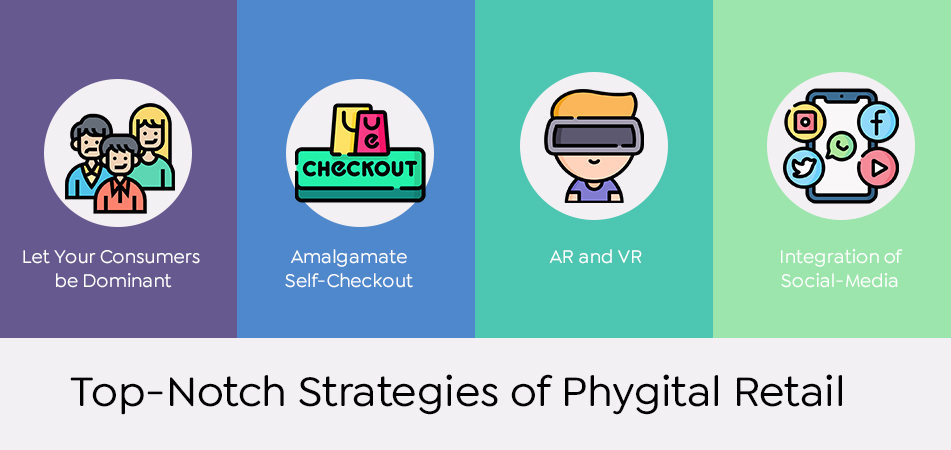
1. Let Your Consumers be Dominant
We meant that let your customers choose their buying pattern- online, in-store, etc. If your customers are nearby your store, they can simply collect their order, and the chances are that they might shop a few additional items leading to more sales.
2. Amalgamate Self-Checkout
Now, this is an exciting concept you may leverage for your customers! You may create an in-store experience that lets your customers visit the store, pick all items they want to shop and pay via self-checkout without any intervention from the human resource.
Isn’t it the best thing for introverts?
3. AR and VR
AR and VR are the two technologies well-known for developing an immersive environment that blurs the boundaries of real and virtual. While AR enables trying products virtually, VR is an exceptional manner to let customers immerse themselves with your brand for better understanding.
Also Read: Benefits VR Technology Has To Offer To Your Retail Business
4. Integration of Social-Media
Are you present on social media platforms like Instagram, Snapchat, Facebook, etc?
Then why not your business?
Notably, you have a much stronger chance of connecting with your potential customers via social media than any other means. Therefore, it is a great place to advertise, and you may use it as your weapon for increased awareness.
What do you say?
Whether big or small, any business will have to start taking small steps in order to succeed. And phygital seems like a solid potential step before you witness your business skyrocketing.
Emerging Trends of Phygital Retail in 2026
The retail industry has been changing continuously, and the phygital retail model is becoming more visible because businesses are trying to combine the convenience of digital platforms with the experience of physical stores. Over the past few years, technologies have been evolving and retailers have been experimenting with different solutions so that customers can move smoothly between online and offline shopping journeys.
And therefore, in 2026, phygital retail is not just an idea anymore; it is slowly becoming a practical strategy that many brands are adopting.
Let’s look at some of the emerging trends shaping phygital retail today.
1. AI-Powered Personalization in Stores
Retailers have been using AI and data analytics to understand what customers prefer, how they shop, and what they might want next. Because of this, stores are now able to offer product suggestions that feel more relevant and personal. For example, a customer might receive recommendations through a store’s mobile app, or they might see personalized offers on digital screens inside the store. It was once limited to eCommerce apps, but now these experiences are slowly moving into physical retail spaces as well.
Many businesses are working with a mobile app development company to build these intelligent applications because they help bridge the gap between digital discovery and physical shopping.
2. AR-Driven Product Experiences
Another trend that has been growing steadily is the use of Augmented Reality (AR) in retail environments. Customers are now able to try products virtually such as glasses, cosmetics, furniture, and even clothing. This technology allows shoppers to visualize how a product will look or fit before purchasing it, therefore it reduces hesitation and builds confidence in the buying decision. And yes, many brands have been integrating these features into both their apps and their in-store experiences.
3. Contactless and Smart Checkout Systems
Traditional checkout counters have been growing too. Many stores now offer self-checkout kiosks, contactless payments, and automated billing systems because customers prefer faster and smoother transactions. In some advanced retail stores, shoppers can simply pick items and walk out while the system automatically processes the payment. It sounds futuristic but these technologies are already being implemented in several modern retail environments.
4. Social Commerce Integration
Social media platforms have also become an important part of the phygital retail ecosystem. Customers often discover products while scrolling through Instagram, TikTok, or other platforms, and then they visit the brand’s website or sometimes the physical store to complete the purchase. Because of this behavior, retailers are integrating their social commerce strategies with their physical retail presence so that the customer journey remains connected.
5. Smart Stores Powered by IoT
Another emerging shift is the development of IoT-enabled smart stores. Sensors, smart shelves, and connected devices are being used to track inventory levels, analyze customer movement, and improve store layouts. These technologies help retailers understand shopping behavior better, and therefore they are able to deliver more efficient and engaging in-store experiences.
6. Click-and-Collect Shopping
Finally, the click-and-collect model has been gaining popularity because it blends online convenience with offline pickup. Customers can place orders through websites or mobile apps, and then collect the items from a nearby store. It saves delivery time, reduces shipping costs, and often encourages additional in-store purchases when customers arrive to pick up their orders.
All these developments clearly show that phygital retail has been growing into a powerful retail strategy. So businesses that adopt these technologies and connect their digital and physical touchpoints are more likely to create stronger customer experiences and therefore stay competitive in the modern retail world.
How Techugo Can Help
Now that a blend of physical and digital retail experiences is moulding businesses for good, now the question is not whether you should adopt it but how you can implement it effectively.
Because customers today are moving between mobile apps, websites, and physical stores, businesses need technology solutions that connect these touchpoints seamlessly.
It’s time to stand out from the crowd and acquire a competitive advantage that you’ve always deserved. Connect with Techugo!
Techugo helps retailers build powerful digital ecosystems that support the phygital retail model. From eCommerce app development that enables smooth online shopping to IoT app development solutions that power smart stores, our team designs platforms that bridge the gap between digital convenience and in-store experiences.
We also help brands explore advanced technologies such as augmented reality for immersive product visualization and VR app development for interactive virtual retail experiences. These technologies not only enhance customer engagement but also help businesses create memorable and personalized shopping journeys.
Therefore, if you are planning to transform your traditional retail store into a modern phygital experience, Techugo can help you launch the right digital solutions.
Ready to take the next step?
Connect with our experts today and schedule a free consultation to explore how phygital innovation can elevate your retail business.

Get in touch
We'd love to hear from you.