


 SA
SA
 KW
KW
 IE
IE AU
AU UAE
UAE UK
UK USA
USA
 CA
CA DE
DE
 QA
QA ZA
ZA
 BH
BH NL
NL
 MU
MU FR
FR

















A few years ago, visiting an art gallery meant standing quietly in front of a painting, observing every brushstroke from a distance. The experience was meaningful, but it was also limited. You could look at the art, admire it, maybe read the description beside it – and that was it.
But technology, as it always does, started reshaping the experience.
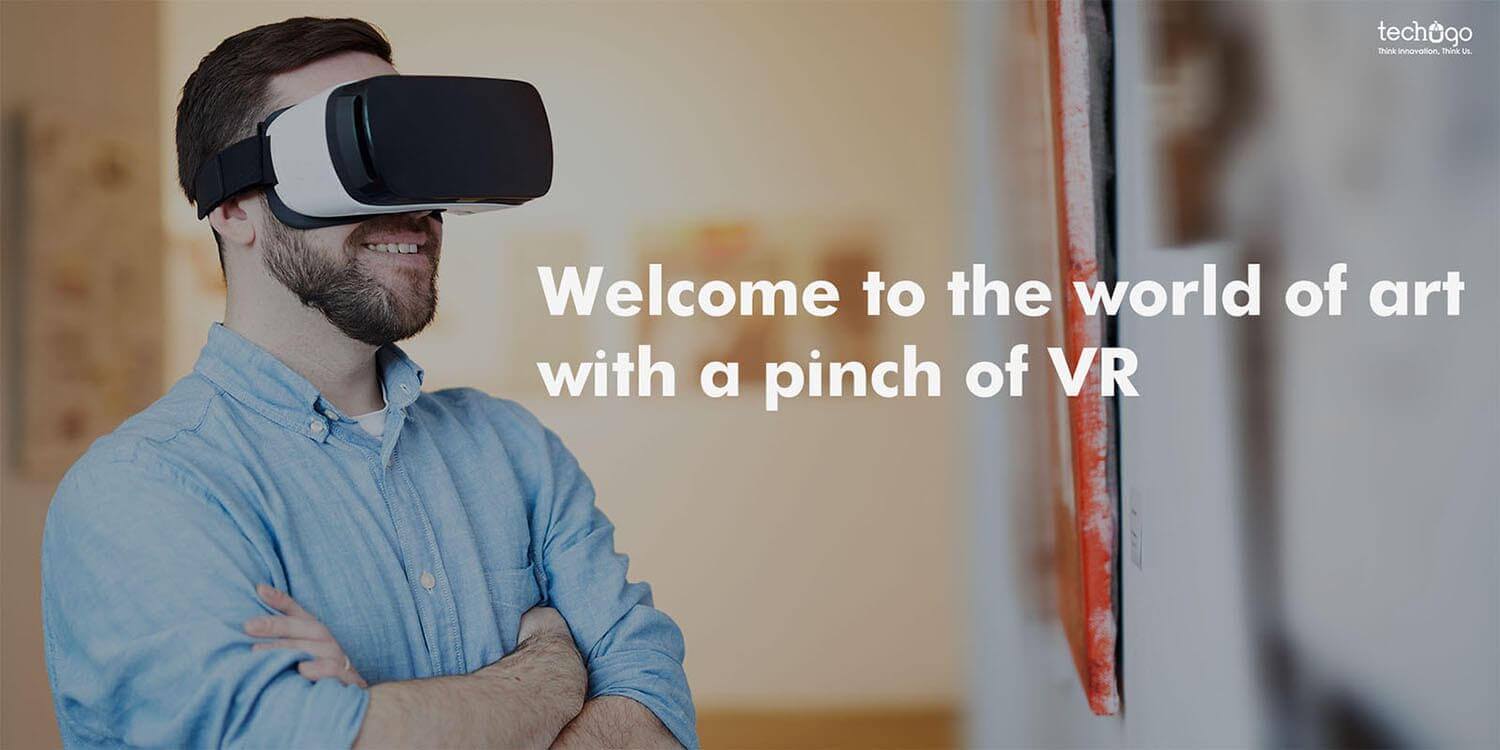
Today, virtual reality (VR) is changing how people explore creativity, museums, and exhibitions. Instead of just looking at art, visitors can now step inside it. They can walk through immersive galleries, experience historical masterpieces in 3D environments, and interact with artwork in ways that were unimaginable earlier.
What once sounded like science fiction is now a growing reality. Museums, artists, and cultural institutions are increasingly adopting VR and AR technologies to create engaging digital experiences for global audiences.
And this transformation is not slowing down. In fact, in 2026, immersive art experiences powered by VR mobile apps and augmented reality are redefining how creativity is experienced worldwide.
What is Virtual Reality
Since many of you might be our regular readers, you must be familiar with the ongoing trend of VR development.
For all those unfamiliar with the rapidly rising technology, Virtual Reality is an immersive digital technology that allows users to enter a simulated environment through devices such as VR headsets, head-mounted displays, and mobile applications.
Instead of simply observing content on a screen, users can interact with virtual environments, explore 3D spaces, and engage with digital objects in real time.
For artists and museums, this technology opens entirely new creative possibilities.
Art is no longer confined to a canvas or gallery wall. Through VR development, artists can now build immersive worlds where visitors experience their creativity from the inside rather than from the outside.
From digital galleries to immersive storytelling experiences, VR technology is rapidly becoming an essential part of the modern art ecosystem.
Museums and VR: Where Art Meets Technology
Museums have always played an important role in preserving culture, heritage, and artistic expression. However, attracting modern audiences — especially digital-native generations — requires innovation.
That’s where virtual reality and augmented reality technologies come in.
Museums are increasingly integrating immersive technologies through VR apps, AR-powered installations, and interactive digital exhibits. These tools help transform traditional museum visits into engaging and memorable experiences.
For example, augmented reality can recreate missing or stolen artworks. Imagine a gallery frame that appears empty. When a visitor scans it using a smartphone or museum app, the artwork instantly appears through AR visualization.
This technology allows visitors to experience how the gallery originally looked, even if the artwork is no longer physically present.
Such innovations highlight how AR and VR are becoming crucial technologies in modern art preservation and presentation.
Virtual Reality for Art Exhibitions and Sales
Beyond museums, artists and art startups are also embracing virtual reality platforms.
Several digital art platforms now offer VR-based exhibitions, where users can explore galleries from anywhere in the world.
Instead of traveling to a physical location, collectors and art enthusiasts can simply wear a VR headset or open a mobile application to:
- Walk through digital galleries
- Interact with artworks in 3D
- View exhibitions hosted by global artists
- Even purchase artwork directly within the virtual environment
These immersive experiences are expanding the reach of artists and galleries beyond geographical limitations.
For businesses looking to build such immersive platforms, partnering with an experienced AR app development company becomes essential to design scalable and engaging virtual experiences.
Is Virtual Reality Transforming the Artistic World?
The influence of VR on art is no longer experimental. It is actively reshaping how creativity is presented, consumed, and experienced.
Here are a few reasons why virtual reality is transforming the art ecosystem:
-
Immersive Storytelling
Artists can now create experiences where viewers walk through narratives, explore visual worlds, and interact with artistic environments.
-
Global Accessibility
Virtual galleries allow audiences worldwide to experience exhibitions without traveling physically.
-
Enhanced Visitor Engagement
Museums can attract younger and tech-savvy audiences through interactive experiences powered by VR and AR.
-
Digital Preservation
VR environments allow museums to recreate historical sites, lost artifacts, and ancient artworks in digital formats.
The Role of Mobile Apps in VR Art Experiences
The rise of immersive art experiences would not be possible without advanced mobile and immersive application development.
VR-powered applications allow museums, galleries, and artists to build interactive digital environments that combine storytelling, technology, and creativity.
However, building such platforms requires technical expertise in VR development, immersive UI design, and 3D environments. This is why many organizations partner with a top mobile app development company in USA to design high-performance immersive applications.
From digital museum tours to interactive art platforms, VR apps are becoming a powerful medium for artistic innovation.
Conclusion
Art has always grown alongside technology.
From cave paintings to digital illustrations, each technological shift has opened new creative possibilities for artists and audiences alike.
Today, virtual reality is introducing the next evolution of artistic expression.
Museums are becoming immersive storytelling spaces. Artists are building digital worlds instead of static canvases. And audiences are no longer just observers; they are participants in the artistic experience.
As immersive technologies continue to grow in 2026 and beyond, the intersection of art, VR, and mobile technology will unlock new ways for people to explore creativity.
For organizations planning to create immersive art experiences, collaborating with an experienced AR mobile app development company can help transform creative ideas into powerful digital realities.

Get in touch
We'd love to hear from you.