

 SA
SA
 KW
KW
 IE
IE AU
AU UAE
UAE UK
UK USA
USA
 CA
CA DE
DE
 QA
QA ZA
ZA
 BH
BH NL
NL
 MU
MU FR
FR
















In recent years, the way we make payments has changed drastically, with everything moving online and becoming more mobile-first. Today, users are ordering groceries, paying bills, and making everyday transactions directly from their smartphones.
Additionally, businesses have rapidly shifted online to keep their services running and to create new monetization opportunities. This shift has accelerated the adoption of seamless and contactless payment methods across industries.
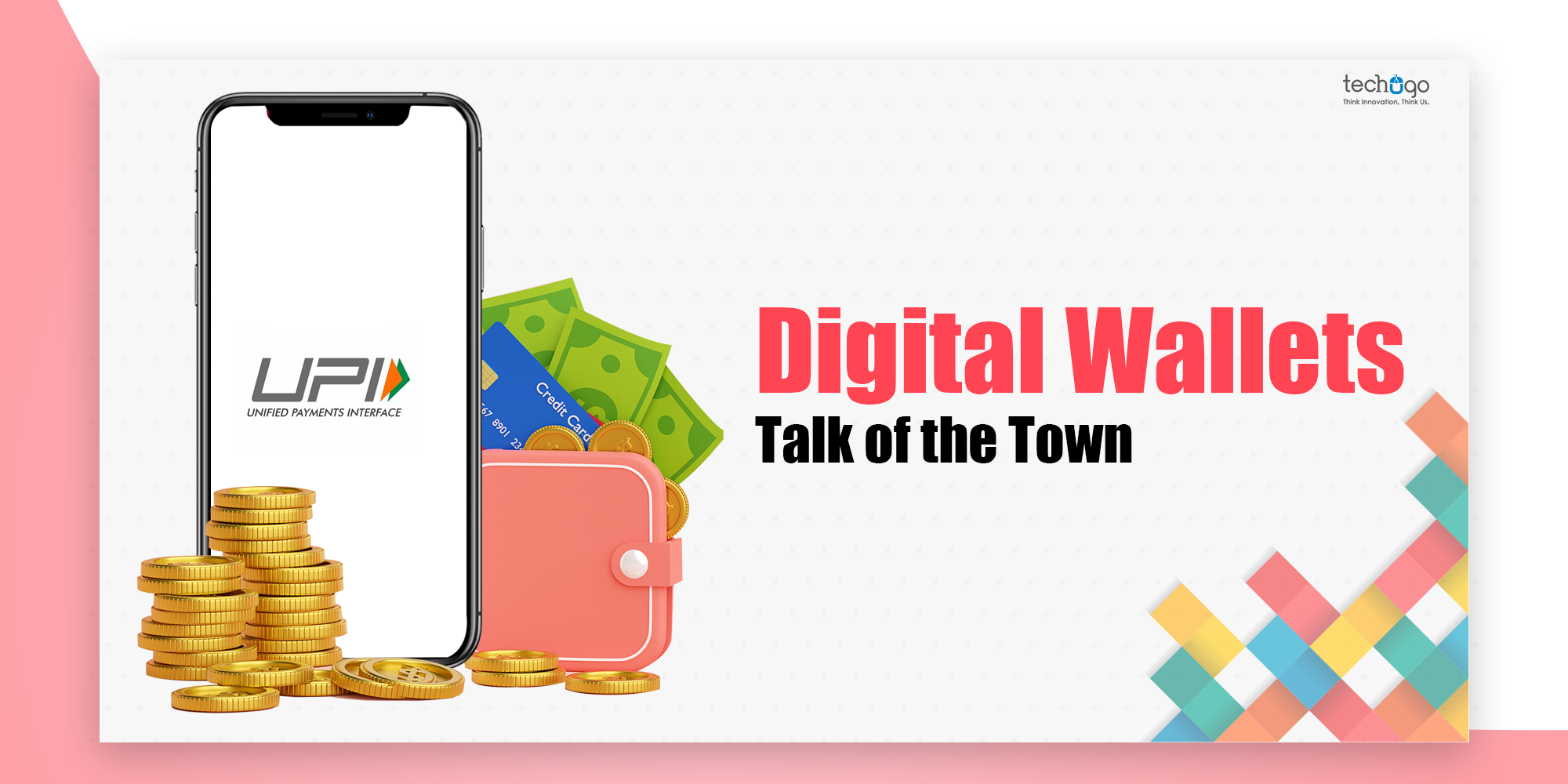
Initially, cash was used in exchange for commodities; however, the past few years have seen a massive rise in digital wallets. Technology has played a significant role in the evolution of online payment gateways, giving rise to more and more mobile apps for payment digitization.
In fact, India alone processed over 21 billion UPI transactions in a single month (December 2025). This highlights how deeply digital payments are embedded in our everyday life.
Globally, digital wallets are driving the growth of the payments industry, which is expected to grow from $3.12 trillion in 2025 to $5.86 trillion by 2031, fueled largely by mobile-first transactions and wallet adoption.
Do you know?
It is not so surprising, but digital wallets are steadily replacing cash as one of the most common payment methods worldwide.
What is a Digital Wallet?
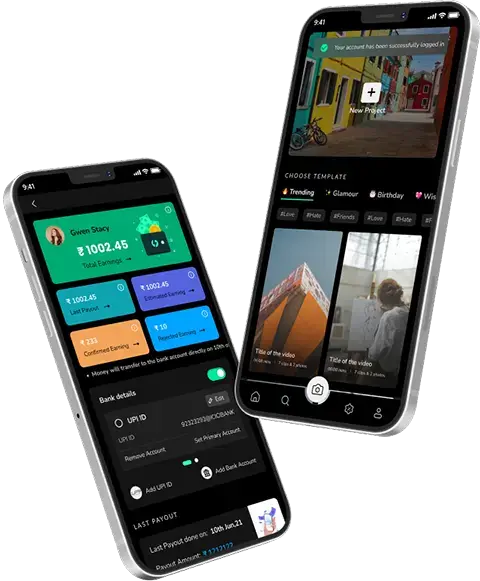
In simple words, a digital wallet or eWallet is an online service or mobile application that lets individuals make transactions using their smartphones.
How?
These are dedicated apps that securely store a user’s bank-related information, such as debit or credit card details. Whenever a user initiates a payment, the amount gets deducted instantly after completing one or two steps of security authentication, such as an OTP, PIN, or biometric verification.
Types of Digital Wallets
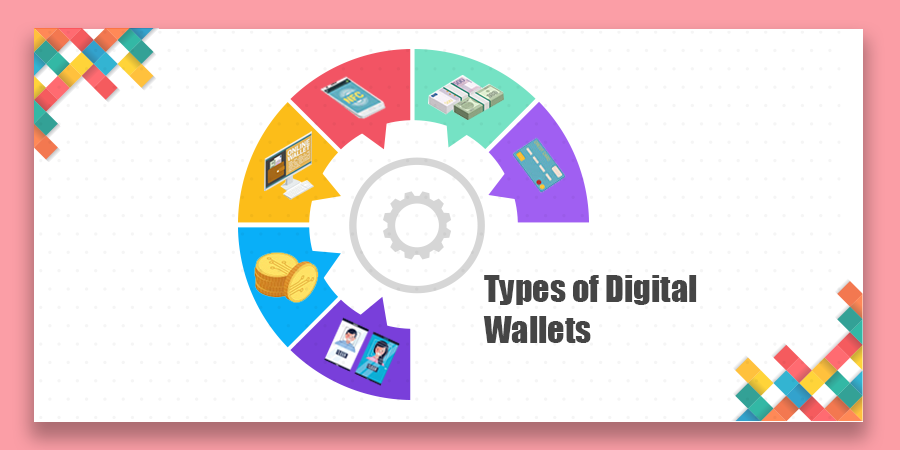
There are six types of digital wallets, and you can choose any one of them which suits your business the best.
1. Closed Wallets
Closed wallets are issued by a specific company and can only be used to make transactions within that brand’s ecosystem. These are commonly used by eCommerce platforms and apps.
2. Semi-Closed Wallets
Semi-closed wallets allow users to transact at multiple merchants but do not permit cash withdrawal. These are widely used due to their flexibility and ease of use.
3. Open Wallets
Open wallets are typically issued by banks and allow users to make transactions, withdraw cash, and transfer funds. They offer the highest level of flexibility.
4. Cryptocurrency Wallet
A cryptocurrency wallet stores private and/or public keys used for crypto transactions. It encrypts user data and enables secure buying, selling, or storing of digital assets.
5. NFC-Enabled Wallets
These wallets use Near-Field Communication (NFC) technology to enable contactless payments. Users can simply tap their devices to complete transactions instantly.
6. Digital Wallets with Virtual Cards
Some digital wallets offer virtual cards with unique card numbers, allowing users to make secure online payments without exposing their primary card details.
7. International Payment (Remittance) Wallets
These wallets are designed for cross-border transactions, enabling users to send and receive money globally with better convenience and lower fees.
How Does a Digital Wallet Work in 2026?
After understanding what is a digital wallet, it is important to know how digital wallets actually function in 2026 in real-world transactions.
Digital wallets work by securely storing a user’s payment information and enabling fast, seamless payments through mobile devices.
Here’s how digital wallets work step by step:
1. User Adds Payment Details
The user links their bank account, debit card, or credit card to the E-wallet app, making it ready for transactions.
2. Information is Securely Stored
Digital wallets store this information using advanced encryption and tokenization, ensuring that sensitive data remains protected.
3. Payment is Initiated
Whenever a user makes a purchase, they select the E-wallet as the preferred payment method, either online or at a physical store.
4. Authentication is Completed
To authorize the transaction, digital wallets require verification through OTPs, PINs, or biometric methods like fingerprint or facial recognition.
5. Transaction is Processed Instantly
Once authenticated, the payment is processed in real-time, and the amount gets deducted from the linked account within seconds.
Role of AI in Digital Wallets
After understanding what is a digital wallet and how digital wallets work, it is important to explore how advanced technologies like Artificial Intelligence are transforming this space.
AI is playing a significant role in making digital wallets smarter, faster, and more secure, while also improving the overall user experience. That’s why businesses today are increasingly partnering with an experienced AI app development company to build intelligent eWallets that integrate advanced features such as fraud detection, automation, and personalized experiences into their applications.
Let’s get into this.
1. Fraud Detection and Prevention
AI helps digital wallets detect unusual transaction patterns in real-time. By analyzing user behavior, location, and spending habits, it can instantly flag suspicious activities and prevent fraud before it happens.
2. Personalized User Experience
Digital wallets powered by AI can offer personalized recommendations, cashback offers, and spending insights based on user preferences. This helps businesses engage users more effectively.
3. Smart Chatbots and Customer Support
AI-powered chatbots integrated into eWallets can handle user queries instantly, resolve payment issues, and provide 24/7 support without human intervention.
4. Predictive Analytics and Insights
AI enables digital wallets to analyze transaction data and predict future spending behavior. This helps both users and businesses make better financial decisions.
5. Seamless and Faster Transactions
AI optimizes payment processing by reducing delays and improving transaction success rates, ensuring a smooth and hassle-free experience.
Why are Digital Wallets Gaining Popularity?
1. Offers Convenience
Digital wallets have eliminated the need for carrying around a wallet stacked with multiple debit or credit cards. In fact, even if someone forgets their wallet at home, money is right there in their hands in the form of a mobile phone.
2. Secure Transactions
To prevent unauthorized access, digital wallets use multiple layers of security such as PINs, OTPs, and biometric authentication like fingerprint or face recognition. This makes transactions safer and more reliable.
3. Extension of Daily Lives
Users use their mobile phones to carry out activities that involve transactions. Be it paying bills or recharging phones; digital wallets are the perfect missing piece to the puzzle.
4. Faster and Instant Payments
Digital wallets enable quick and real-time transactions, reducing waiting time compared to traditional payment methods. This speed is one of the major reasons behind their growing adoption.
5. Contactless and Mobile-First Experience
With the rise of contactless payments, digital wallets allow users to pay using QR codes or tap-and-pay technologies, making the process smooth and hassle-free.
6. Rewards, Cashback, and Offers
Many digital wallets provide incentives such as cashback, discounts, and loyalty rewards. These benefits encourage users to choose digital payments over cash.
Benefits of Digital Wallets to a Business
What would happen if all the businesses of today start adopting eWallets?
Take a look!
1. Will Be Able to Offer Enhanced Customer Experiences
If businesses are looking forward to reaching more customers, build an easier way of spending for them, by letting them transact via mobile phones. A seamless customer experience is what the users need!
2. Smooth Transactions Across All Channels
As mentioned above, nobody carries a physical wallet nowadays. Therefore, if the customer is using the dedicated mobile app of your business, you must integrate an option of e-wallets along with other modes of transactions. It’ll offer flexibility to customers and better engagement with your business.
3. Elimination of Frauds
Incorporating AI and ML into your digital wallets can help your business monitor frauds and notify you about the same. It safeguards user’s data and builds trust between your business and them.
4. Faster Checkout and Higher Conversions
Digital wallets reduce the number of steps required to complete a transaction. This leads to quicker checkouts and helps businesses reduce cart abandonment rates.
5. Better Customer Retention Through Rewards
Many eWallets support cashback, rewards, and loyalty programs.
Businesses can use these features to encourage repeat purchases and improve customer retention.
6. Access to Valuable Customer Insights
Digital wallet integrations allow businesses to track user behavior, spending patterns, and preferences. This data helps in making better marketing and product decisions.
7. Supports Contactless and Mobile-First Payments
With the growing demand for contactless payments, digital wallets make it easier for businesses to align with modern user behavior and expectations.
Undoubtedly, digital wallets are the new hero when it comes to online transactions. Even though these wallets have been there for a long time, they have gained emphasis in the last few years.
Developing a digital wallet app is a great way for monetization, seeing more and more people opting for the new approach. In fact, that’s a great idea.
TAKE YOUR TIME AND THINK ABOUT IT!
If you’ve already made up your mind, reach out to a mobile app development company to receive efficient solutions.
Why Choose Techugo for eWallet App Development?
Now that you understand what is a digital wallet and how digital wallets are transforming payments, it is clear that they are becoming an essential part of modern businesses. So why not invest in eWallet app development?
Building a powerful digital wallet requires the right blend of technology, security, and user experience and that’s where Techugo comes in. Techugo’s team uses the right technology while making sure that the security is not compromised.
As a reliable partner in fintech app development and a trusted eWallet app development company, Techugo delivers apps that are secure as well as ready for the future.
- Expertise in building digital wallet applications
- Strong focus on data security, compliance, and fraud prevention
- AI-powered features for more personalized user experiences
- Custom solutions tailored to your business goals and needs
- End-to-end support, from ideation to deployment & beyond
Are you ready to take action?
If yes, fill out this contact us form now.

Get in touch
We'd love to hear from you.